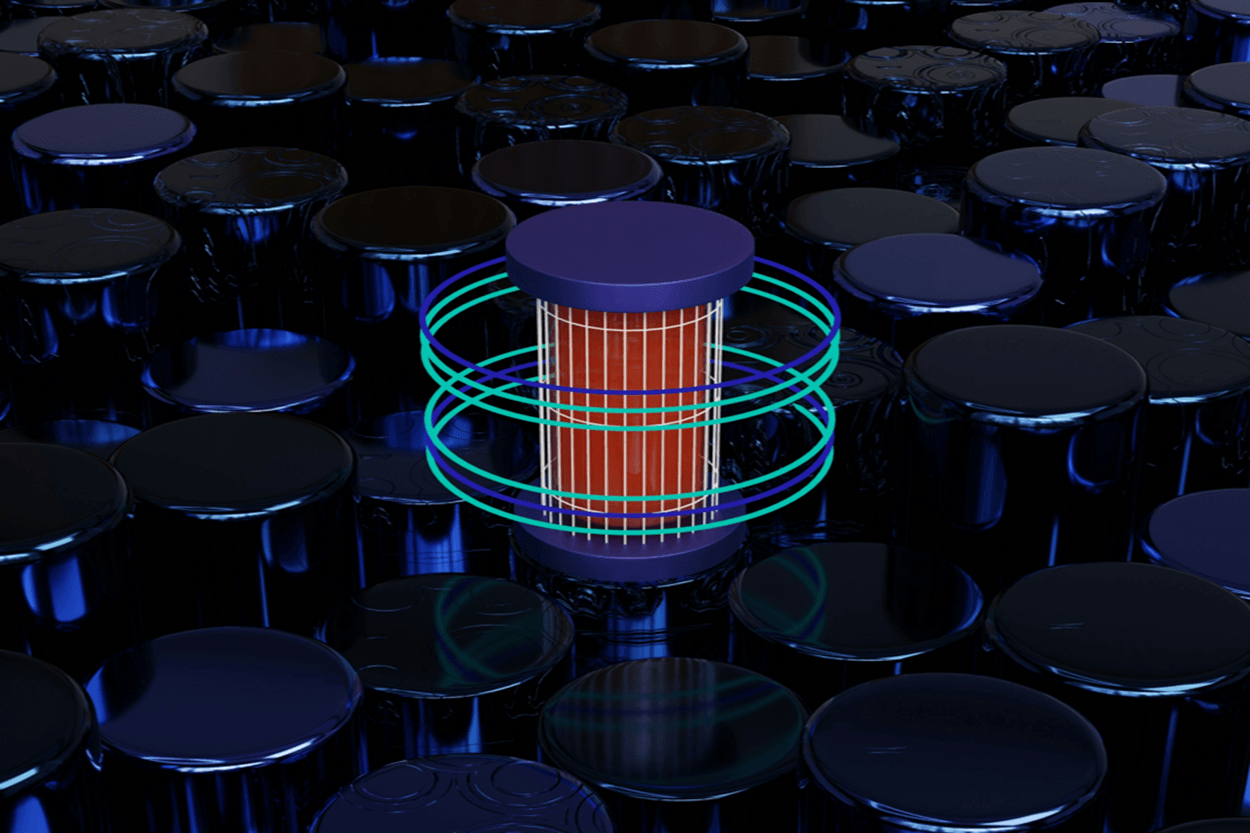
Computational methods, including Quantum

Supporting scientists is the primary objective, and computational methods serve as both a testbed and an example of large-scale scientific activity to better understand scientific needs and to adapt knowledge models and research platform features accordingly.

Overview

Computational methods underpin key activities in fields such as computational biology, materials science, and quantum physics, enabling advanced simulation, optimization, and data analysis for complex research problems. Efficient frameworks and representation models are essential for knowledge management, with graph-based and semantic models, such as the Constructor Knowledge Model, providing structured knowledge organization and cross-domain inference. Integrating diverse computational approaches, including those from quantum computing, allows refinement of core algorithms and knowledge models, ensuring they address real scientific challenges. Optimizing the use of local and distributed computational resources is necessary for supporting the training and deployment of tailored AI models within scientific workflows.​

Our Projects

Explore our innovative research work

Discover a selection of our key projects that highlight our commitment to advancing education through research.

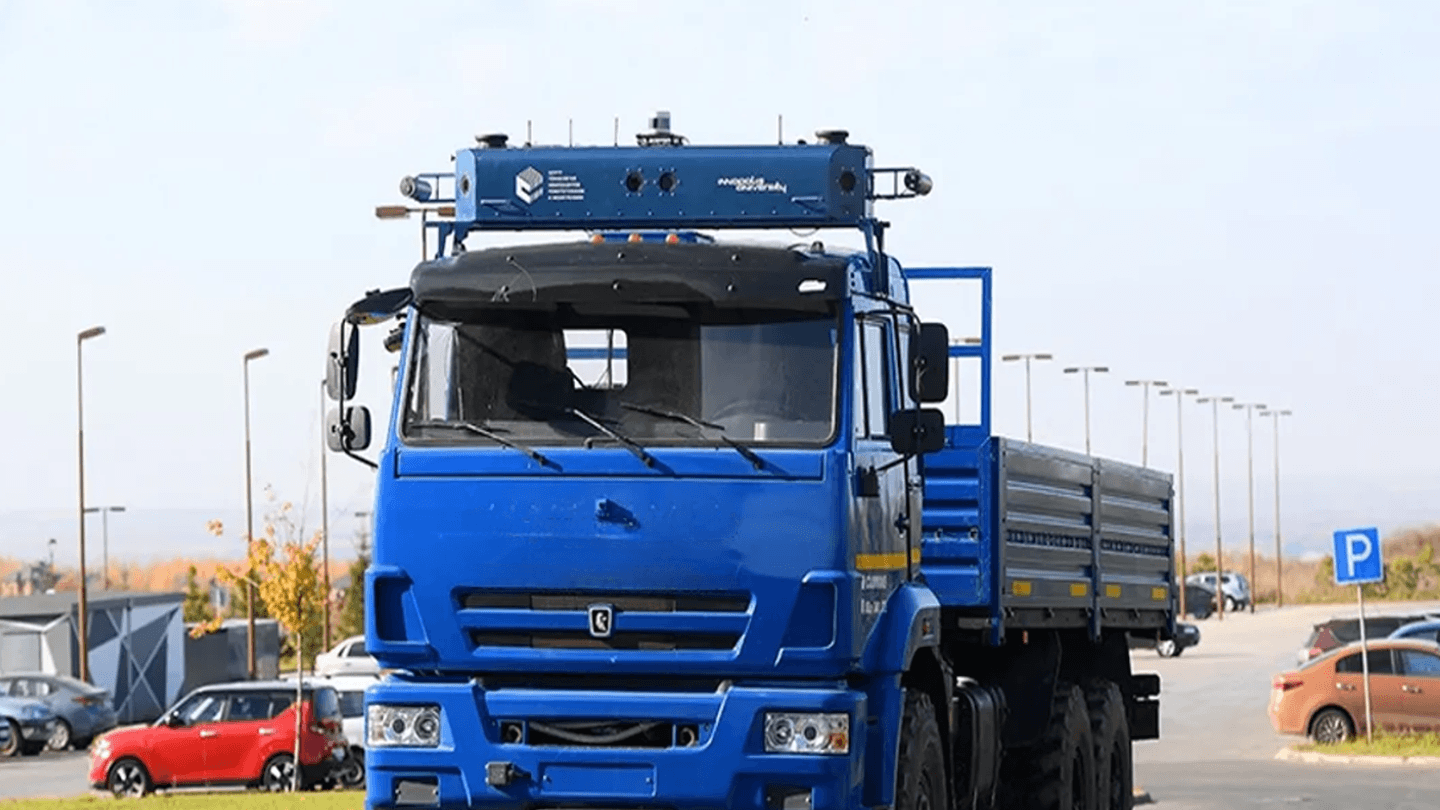
Intelligent Transport Systems (ML + Machine vision)

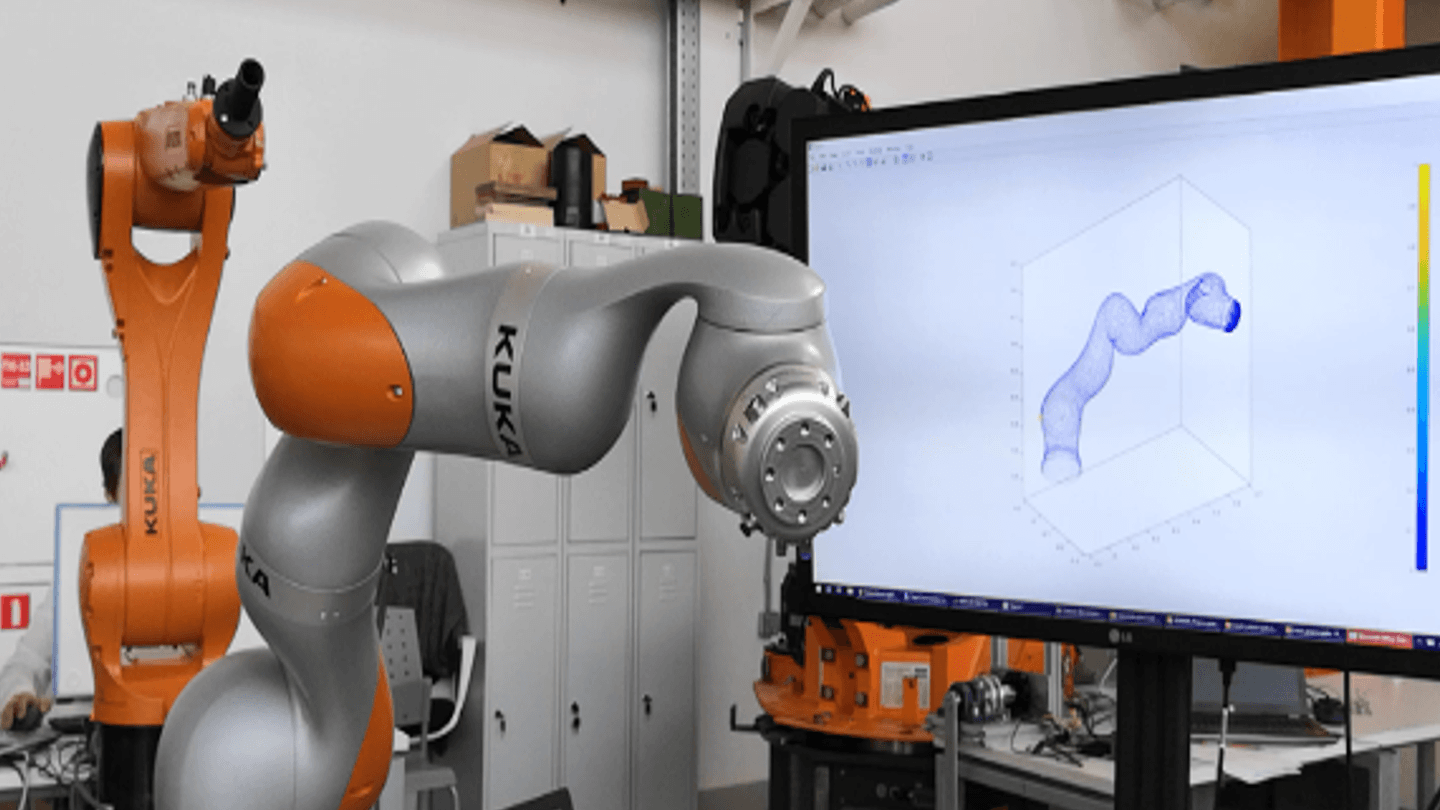
Collaborative Robotics – Force Localization via Artificial Skin Sensors

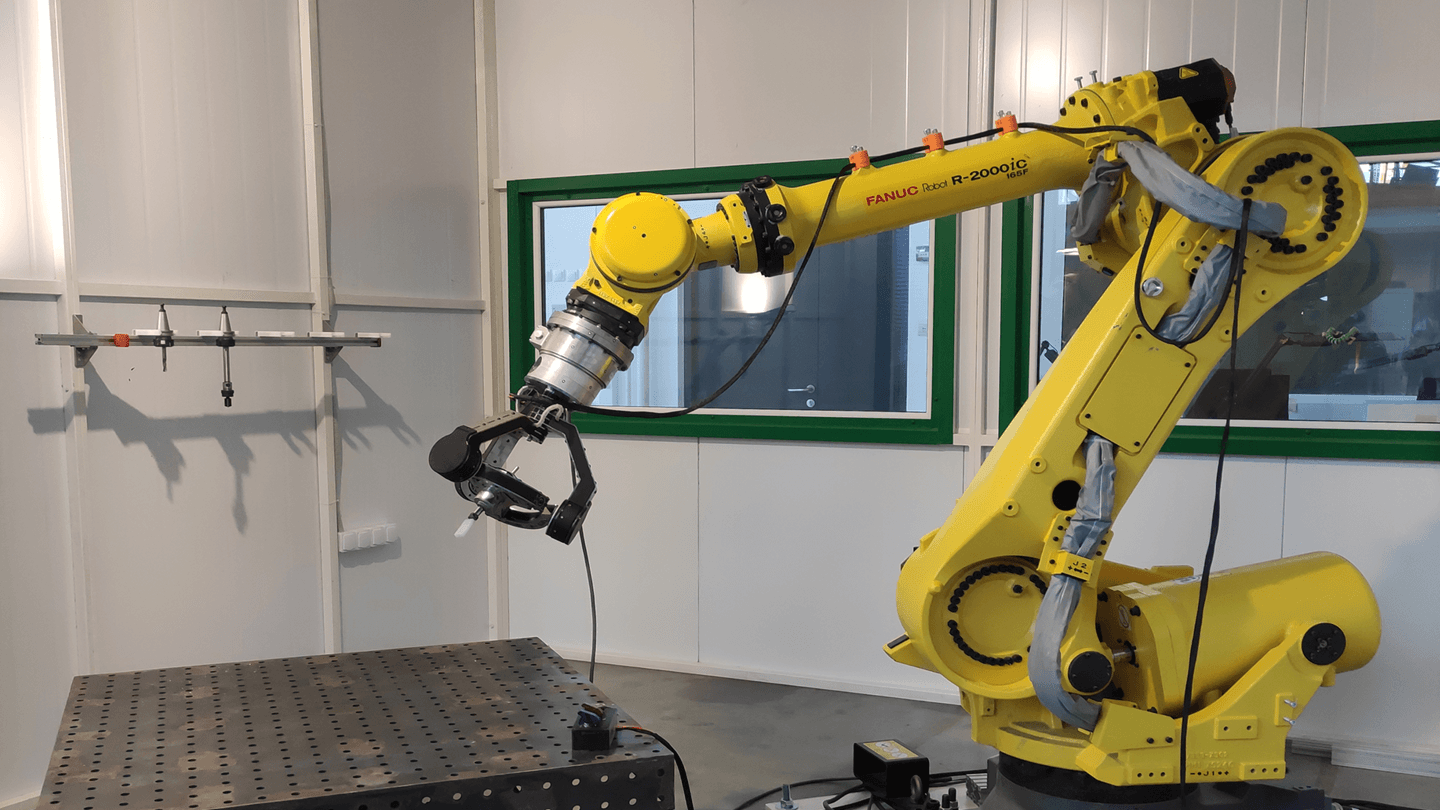
Robotic Tool Kit (RTK) for milling based on industrial robotic arm

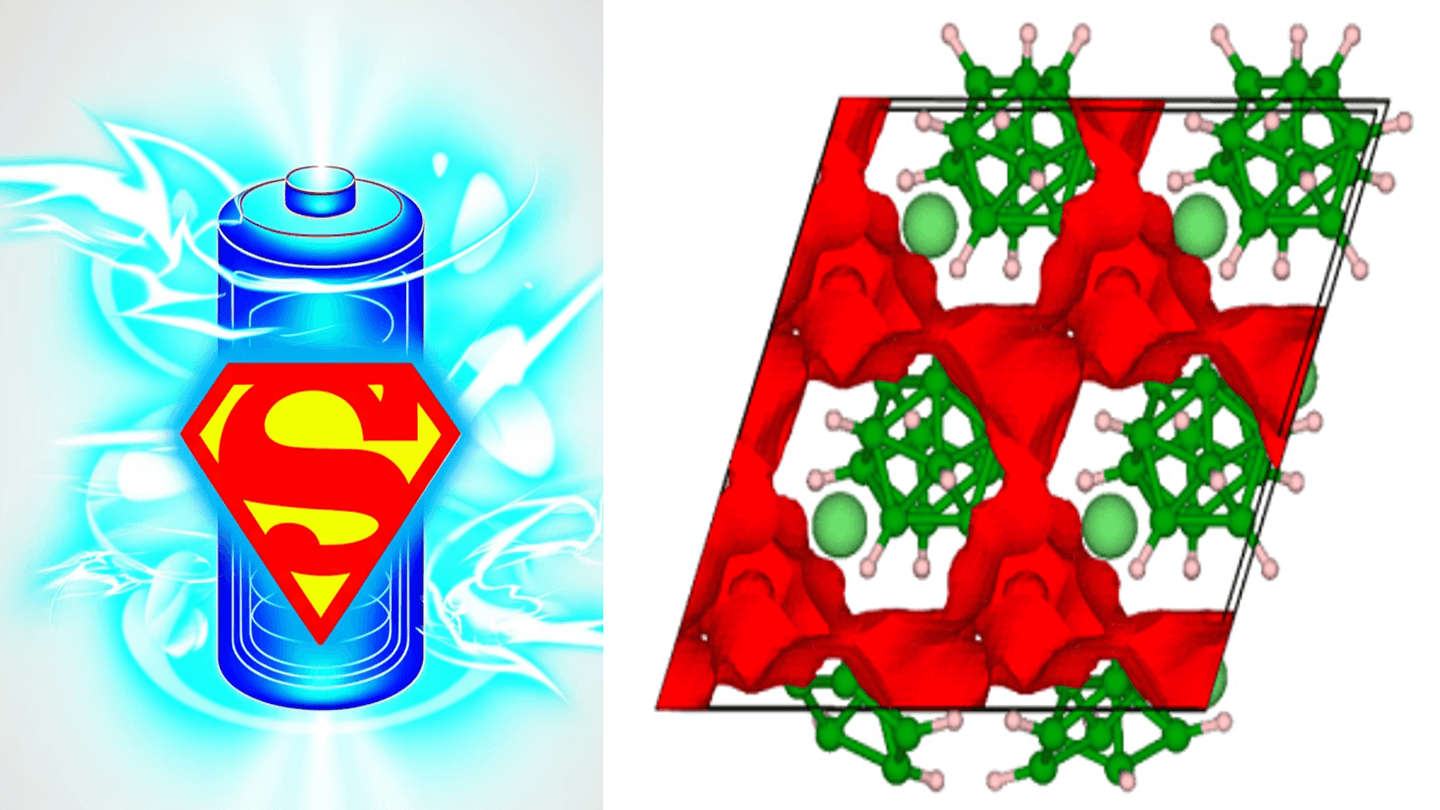
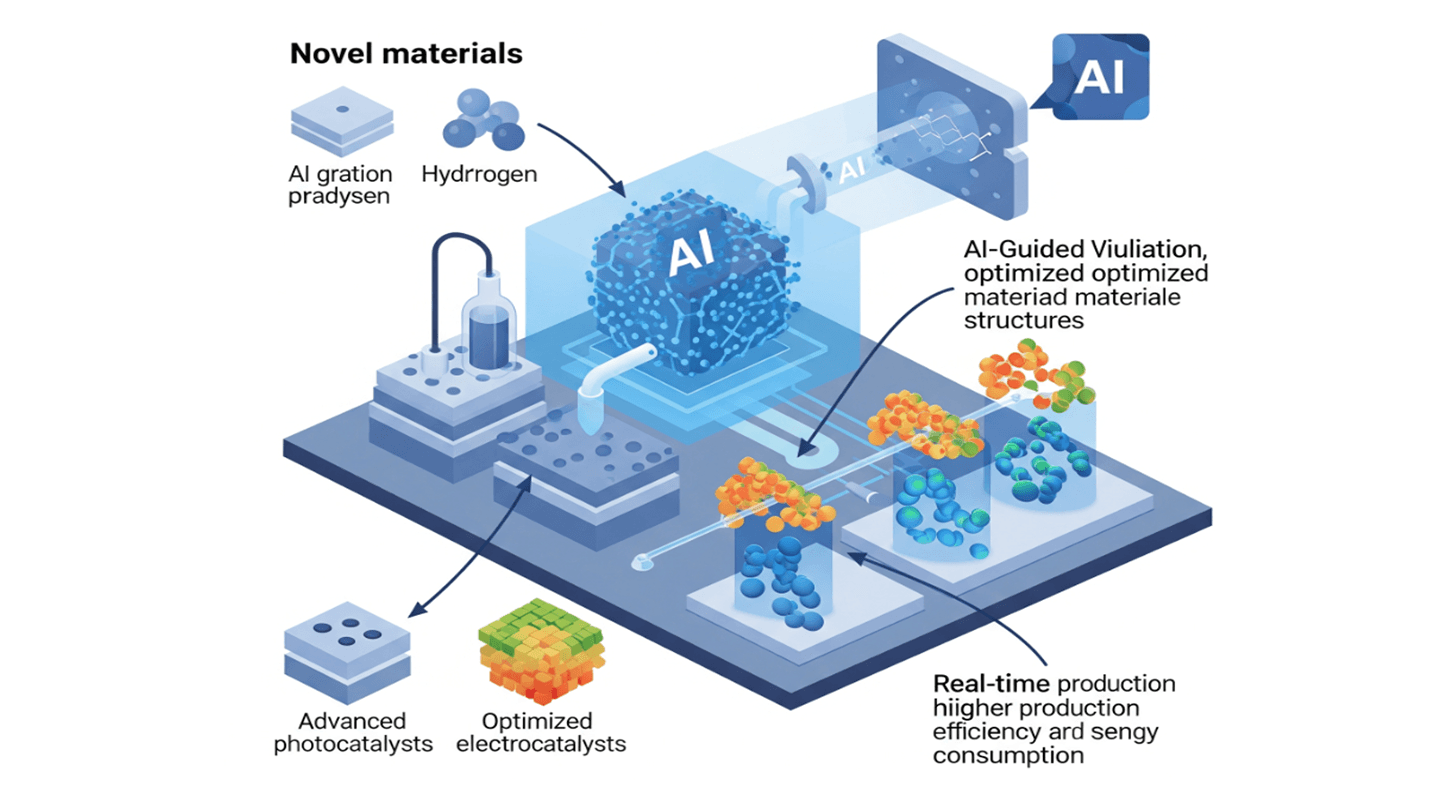
FastTrack SSB: AI Screening for Next-Gen Electrolytes

Accelerating Advanced Device Design with Generative Optimization

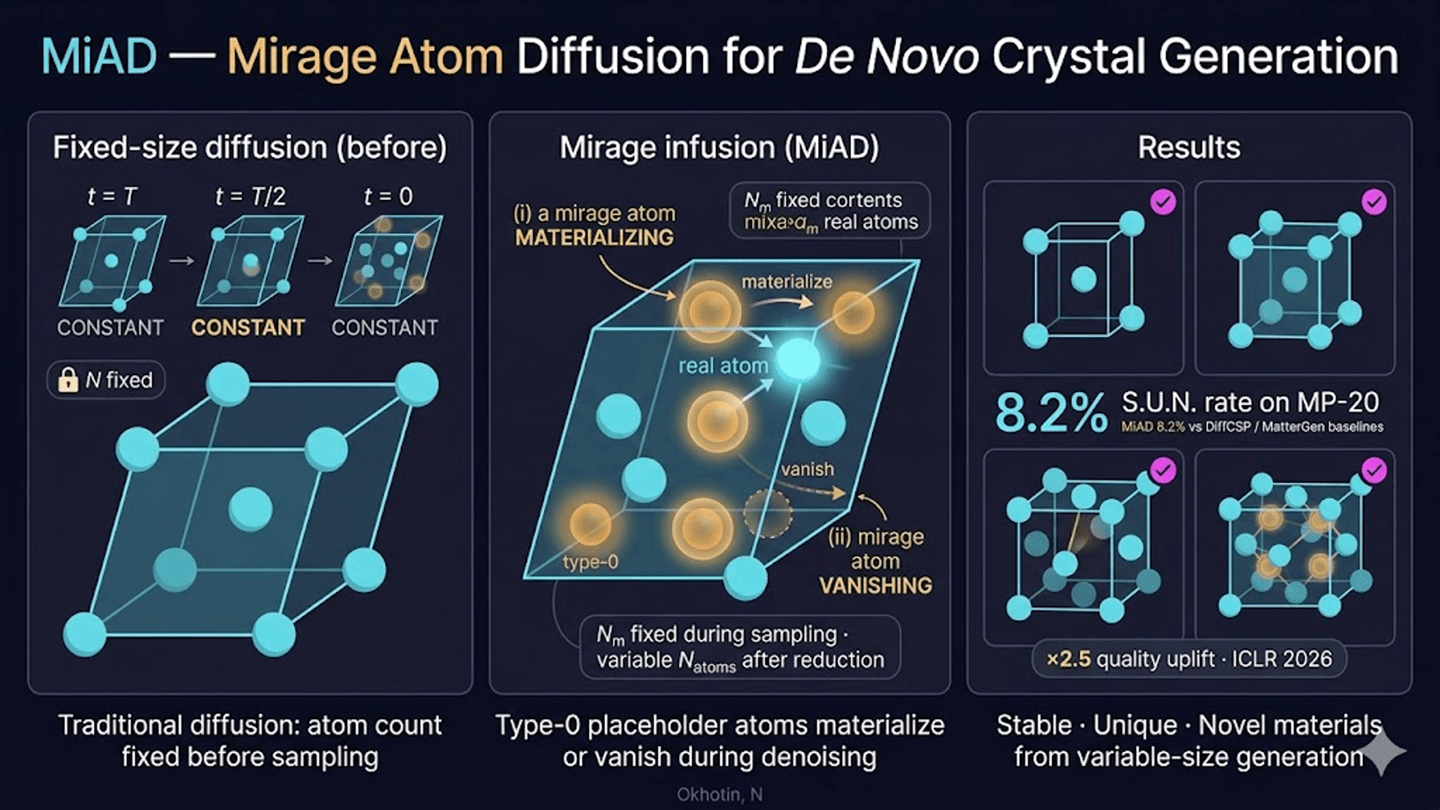
Next-Gen Material Discovery with Mirage Atom Diffusion  

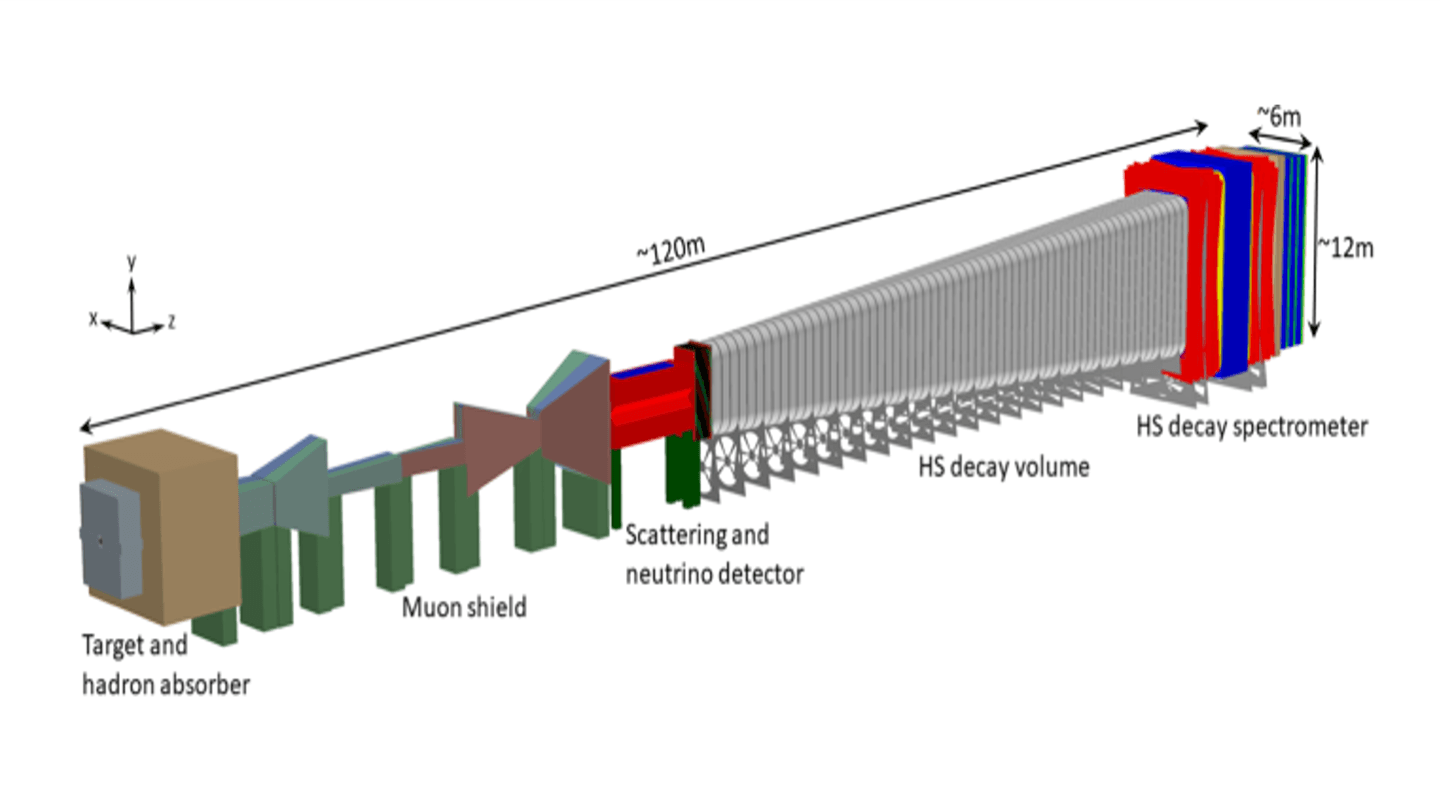
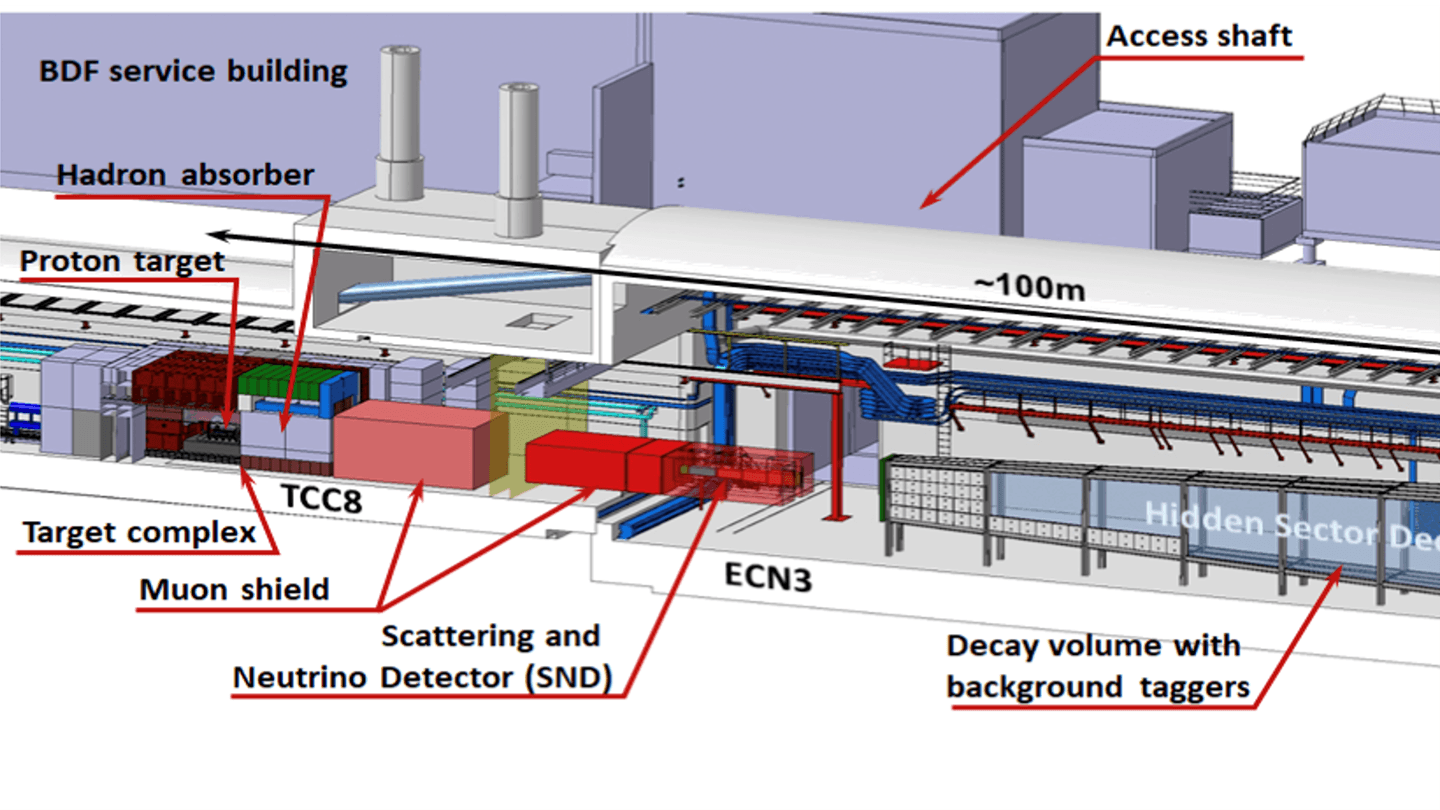
CERN Detector Optimization (Co-design)

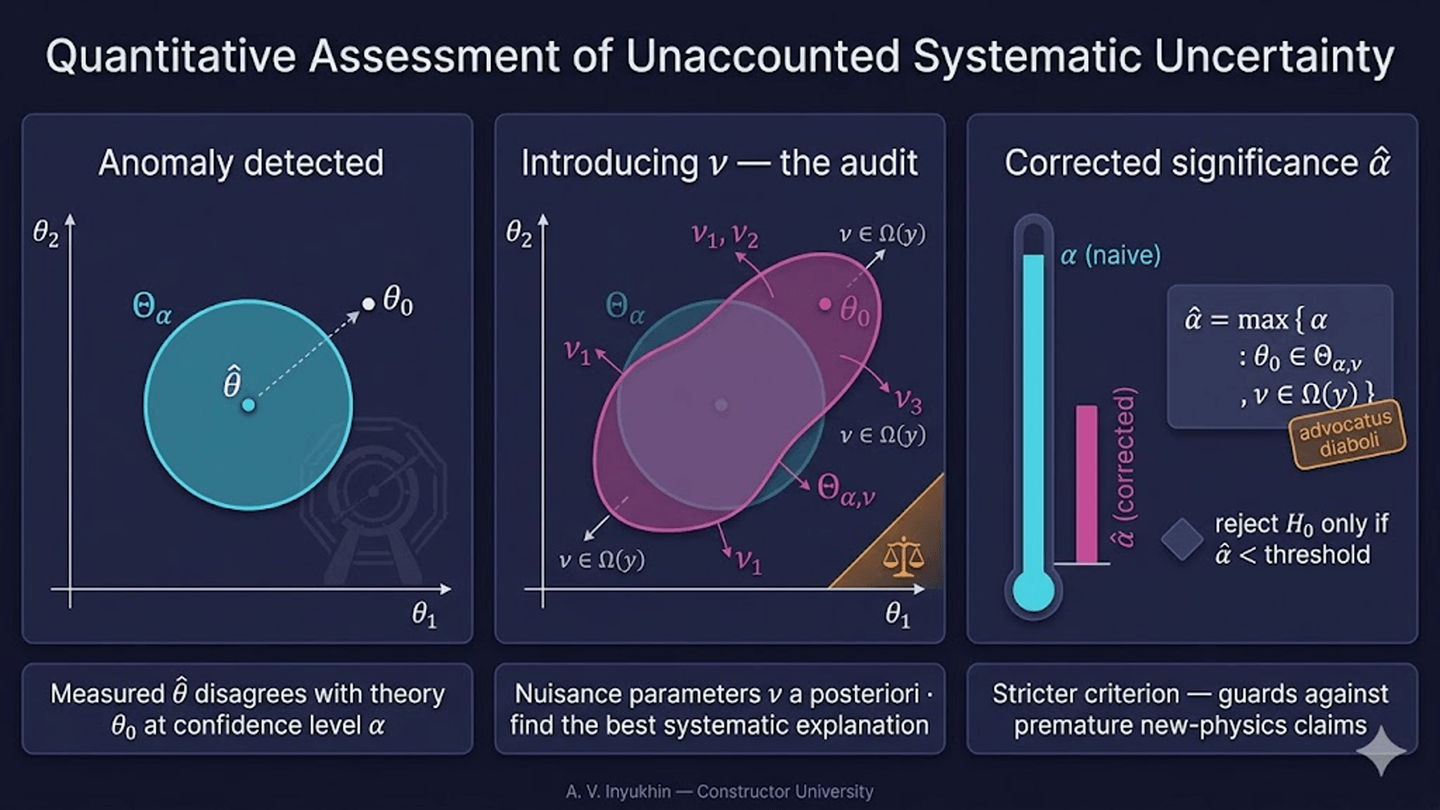
Systematics Audit (DL advocatus)

MiAD Crystal Generation (Mirage Atoms)

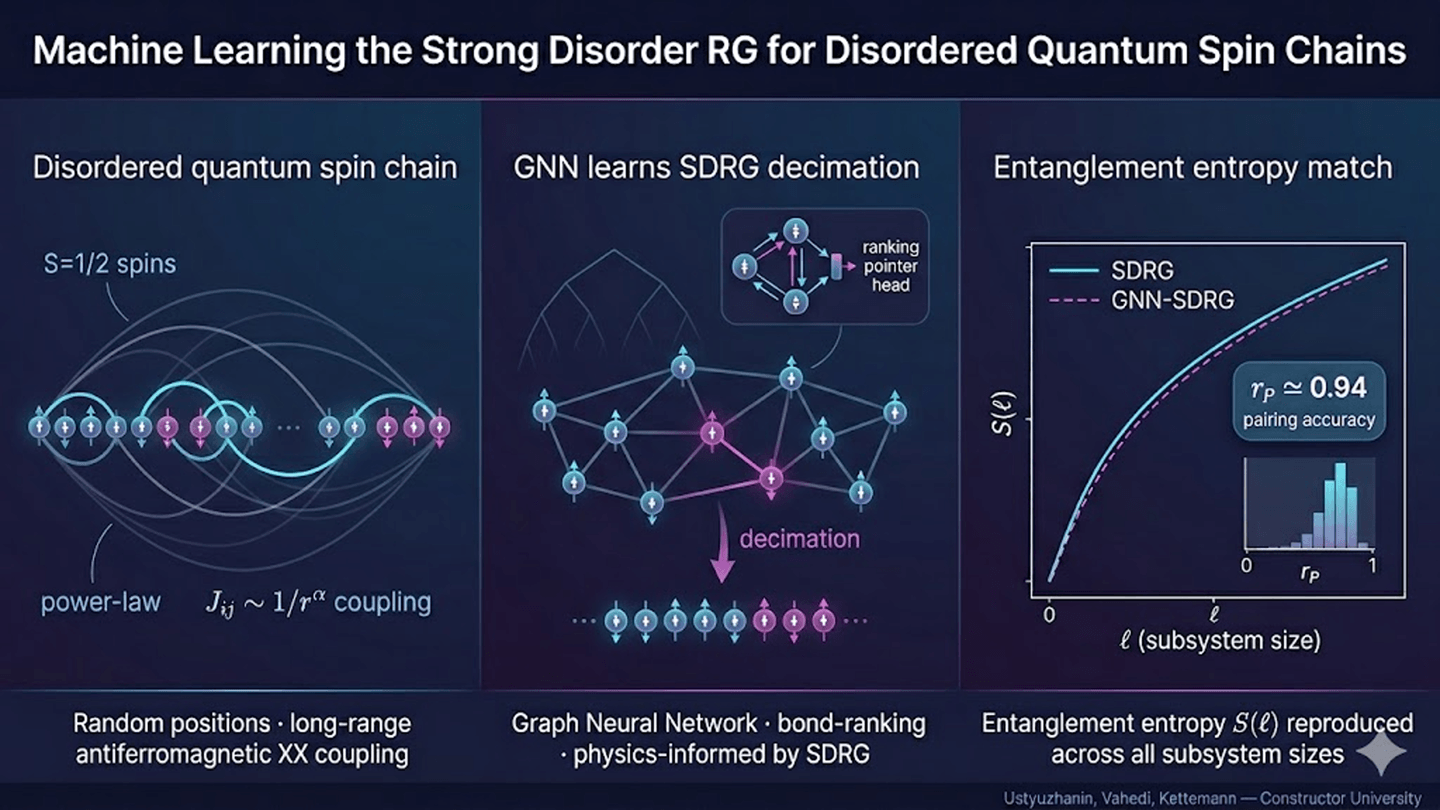
Quantum Spin Chain ML (SDRG-GNN)

Publications

Discover a selection of our key publications that highlight our commitment to advancing education through research.

  • Petrov, I. B., A. G.Tormasov, and A. S. Kholodov. “On the numerical study of unsteady processes in layered solids.” Izv. Akad. Nauk SSSR, Ser. Mekh. Tverd. Tela 4 (1989): 89-95.

Research Team

Meet Our PIs

Discover our teams diverse expertise and how their qualifications drive innovative solutions in education and research.

Prof. Dr. Alexander Tormasov

Prof. Dr. Andrey Ustyuzhanin

Prof. Dr. Petr Popov

Partner with us to innovate together