

Research Portfolio
Prof. Dr. Alexander Tormasov’s work at Constructor Labs connects research on virtualization and distributed systems, applied AI and software engineering, and secure, large-scale computing infrastructure. His research at Constructor labs is focused on using LLM-based agents to automate code generation, deployment configuration, and DevOps workflows; addressing the hosting of large language models in shared environments with minimal overhead and strong security guarantees; and exploring a universal virtual-machine paradigm that aggregates heterogeneous compute to execute AI and cryptographic workloads reliably.
His work in these areas builds on a career that has repeatedly moved fundamental research into large-scale industrial products. As the original inventor of container-based virtualization — the foundation of OpenVZ/Virtuozzo and a core technology of modern cloud computing — and as Chief Scientist at Parallels/Corel for over 14 years, he has shaped system software now used across a significant share of the global software market. His research and engineering have been developed through collaborations with leading technology companies, including Intel, Huawei, Microsoft, and BellCore, and are reflected in an extensive patent portfolio and body of publications. This gives Constructor Labs direct, industry-proven expertise in the security, performance, and reliability challenges that underpin AI infrastructure.
In the EdTech domain, Prof. Tormasov’s contribution combines institutional leadership with the platform technology that powers AI-driven education. As Founding Rector of Innopolis University, he designed and built a technology-focused university and its curricula from the ground up, and as Director of Academic Affairs at Constructor Knowledge Labs and Chief Research Officer at Constructor Technology, he continues to shape how AI and modern software platforms are applied to teaching and learning. His research on AI-assisted software processes, and related fundamental models, knowledge processing, and security for modern neural networks directly supports the technical foundations of EdTech products — from AI-assisted course and content generation to personalized learning and the cost-efficient, secure hosting of large language models for many learners. For an education technology partner, this means working with someone who both understands the pedagogy and has repeatedly built and shipped the technology that delivers it at scale.
AI-Assisted Software Development
Explores the use of AI and LLM-based agents to automate code generation, deployment configuration, and DevOps workflows. The focus is on intelligently producing and managing artifacts such as multi-container configurations, network setups, and deployment pipelines.
Intelligent Artifact Processing and Analysis
Investigates efficient collection, processing, and storage of runtime artifacts – including logs, test outputs, and network traces – generated during software deployment and operation. The goal is to build structured knowledge bases that feed into agent-driven systems for automated diagnostics and decision-making.
Human–Computer Cognition and Behavioral Verification
Studies how specialized sensing devices (such as eye-tracking and biomedical instruments) can be used to verify and fine-tune AI models that infer human behavior and attention. The research bridges human–computer interaction with modern AI, using high-fidelity physiological data to validate and improve model accuracy in proctoring and similar applications.
Secure and Efficient Multi-Tenant AI Model Deployment
Addresses the challenges of hosting large language models in shared, multi-user environments with minimal memory overhead and strong security guarantees. Research directions include fine-tuning strategies (full, layer freezing, LoRA), homomorphic encryption of model layers, and quantized (1-bit/BitNet) models to reduce encryption overhead.
Distributed and Fault-Tolerant Computing for AI Workloads
Explores a universal virtual machine paradigm that aggregates underutilized compute resources – from nearby devices to internet-scale heterogeneous clusters – to execute AI and cryptographic workloads reliably. The system targets fault tolerance, security-aware execution, and support for advanced mathematical techniques such as homomorphic encryption and erasure codes.
- Huang, Pengru, et al. “Unveiling the complex structure-property correlation of defects in 2D materials based on high throughput datasets.” npj 2D Materials and Applications 7.1 (2023): 6.
- Petrov, Igor Borisovich, A. G. Tormasov, and Aleksandr Sergeevich Kholodov. “On the use of hybrid grid-characteristic schemes for the numerical solution of three-dimensional problems in the dynamics of a deformable solid.” USSR Computational Mathematics and Mathematical Physics 30.4 (1990): 191-196.
- Kazeev, Nikita, et al. “Sparse representation for machine learning the properties of defects in 2D materials.” npj Computational Materials 9.1 (2023): 113.
- Ferrario, G., Mikriukov, A., Plaksin, Y., Sitnikov, V., Succi, G., Tormasov, A., & Trofimova, E. (2025, May).
Evaluating cost-effectiveness and coherence of LLMs for supplement recommendations using routing techniques. In 2025 10th International Conference on Machine Learning Technologies (ICMLT) (pp. 350-354). IEEE. Dlamini, G., Huraira, A., Kholmatova, Z., Mikriukov, A., Safiullina, G., Succi, G., & Tormasov, A. (2025). - Mikriukov, A., Plaksin, Y., Ravveduto, A., Succi, G., Tormasov, A. and Trofimova, E. Auto-Configuration of the Constructor Research Platform In: Proceedings of the Future Technologies Conference (pp. 616-621). Cham: Springer Nature Switzerland. Date of publication: 16 October, 2025
DOI: https://doi.org/10.1007/978-3-032-07989-3_40 - Ciancarini, P., Farina, M., Mikriukov, A., Succi, G., Tulkunova, N., Tormasov, A., Thapaliya, A. and Zuev, E
A Systemic Perspective on Software Engineering In: Proceedings of the 2025 18th International Conference on Computer Science and Information Technology (pp. 91-97), Bilbao, Spain. Date of publication: 27 October, 2025 - Anbar, F., Mikriukov, A., Plaksin, Y., Sitnikov, V., Succi, G., Tormasov, A. and Trofimova, E. Toward an understanding of the self-coherence and the cross-coherence of LLMs — An empirical investigation In: International Conference on Computer and Communication Engineering (pp. 127-137). Date of publication: 10 November, 2025
DOI: https://doi.org/10.1007/978-3-032-06757-9_12 - Mikriukov, A., Plaksin, Y., Ravveduto, A., Snigireva, M., Succi, G., Tormasov, A., & Trofimova, E.
A preliminary analysis of the current limitation and future directions of AI applied to the legal domain based on a SLR In: 2025 International Conference on Data Science and Intelligent Systems (DSIS) (pp. 1-10). IEEE. Date of publication: 28 November, 2025
DOI: 10.1109/DSIS67228.2025.11390564 - Adashchik, A., Huraira, A., Kholmatova, Z., Mikriukov, A., Ravveduto, A., Snigireva, M., Succi, G., Tormasov, A. and Trofimova, E. Agentic LLM Pipelines for Reproducible Scientific Software: Opportunities and Challenges In: Proceedings of the 2025 9th International Conference on Computer Science and Artificial Intelligence (pp. 38-46). Date of publication: 12 December, 2025
DOI: https://doi.org/10.1145/3788149.378822 - Kuzmin, D., Snigireva, M., Tulkunova, N., Tormasov, A. and Zuev, E. A Preliminary Analysis of the Presence of Wicked and Tamed Projects in Software Engineering In: Proceedings of the 2025 9th International Conference on Software and e-Business (pp. 79-85). Date of publication: 17 March, 2026
DOI: 10.1145/3789037.3789052
- US12361301B2
Systems and methods for customizing a user workspace environment using AI-based analysis – 2025/7/15 - US8925075B2
Method for protecting data used in cloud computing with homomorphic encryption – 2014/12/30 - US8805947B1
Method and system for remote device access in virtual environment- 2014/8/12 - US10554753B2
System and method for service level agreement based data storage and verification – 2020/2/4

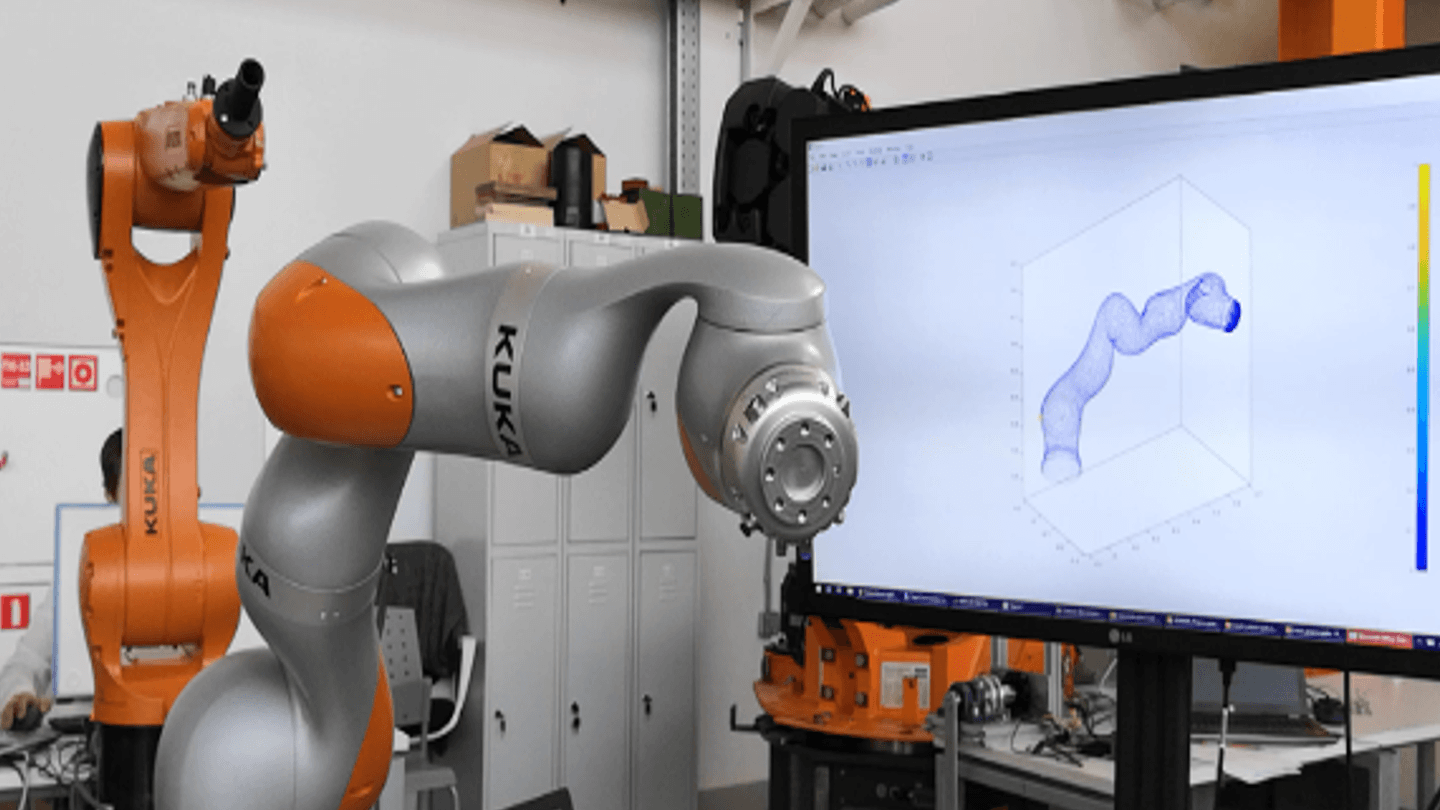
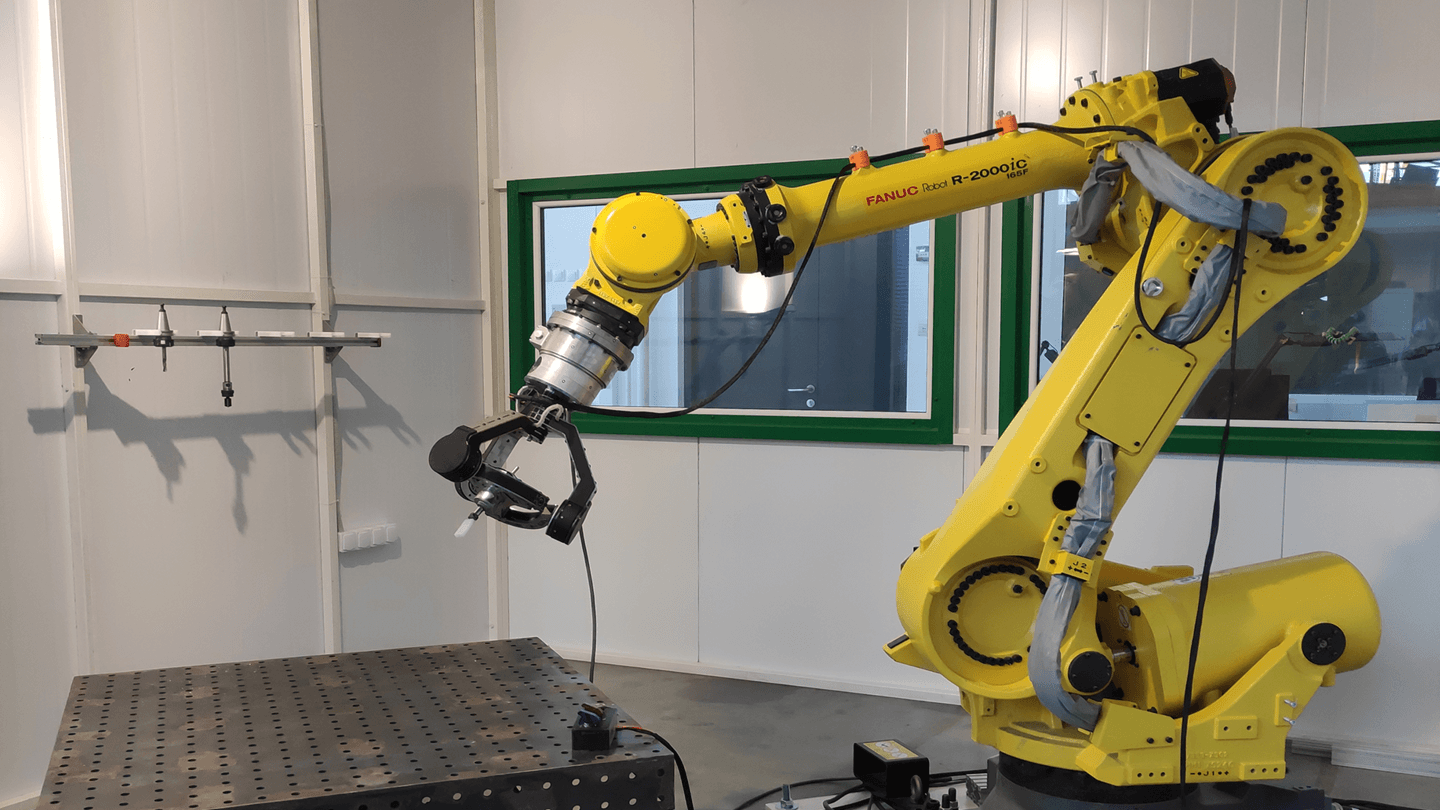

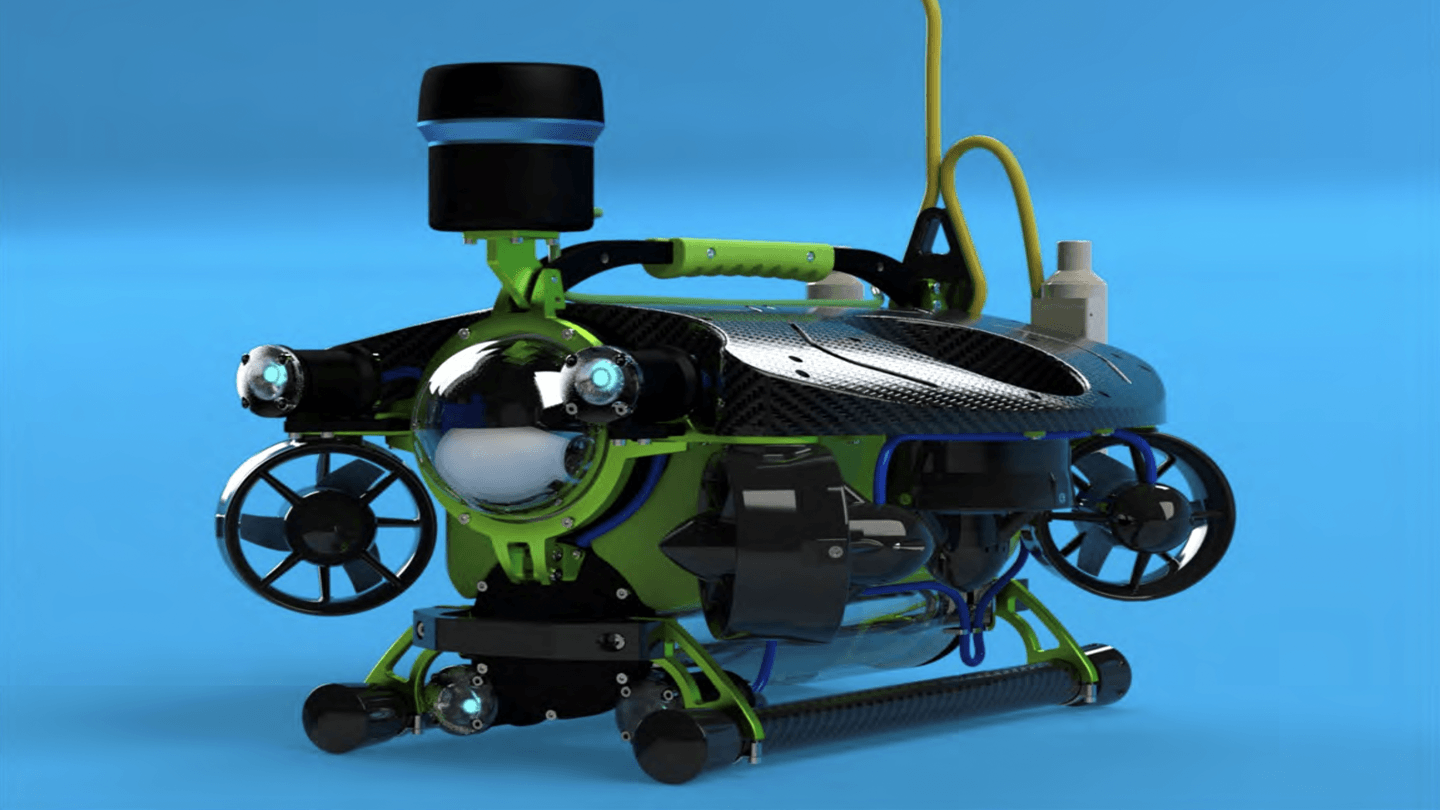

Digital Platform for Search, Analysis, and Management of Scientific and Technical Information

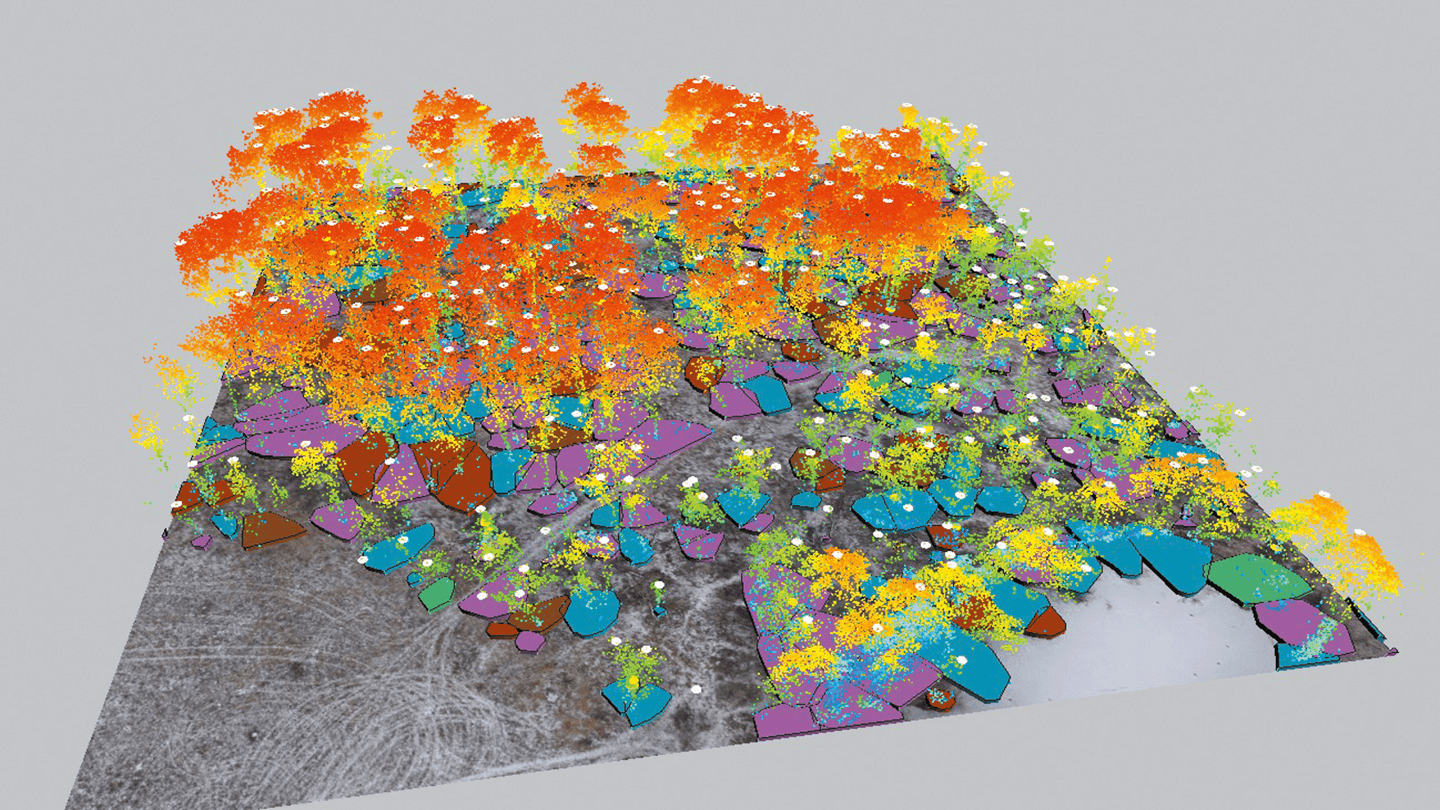
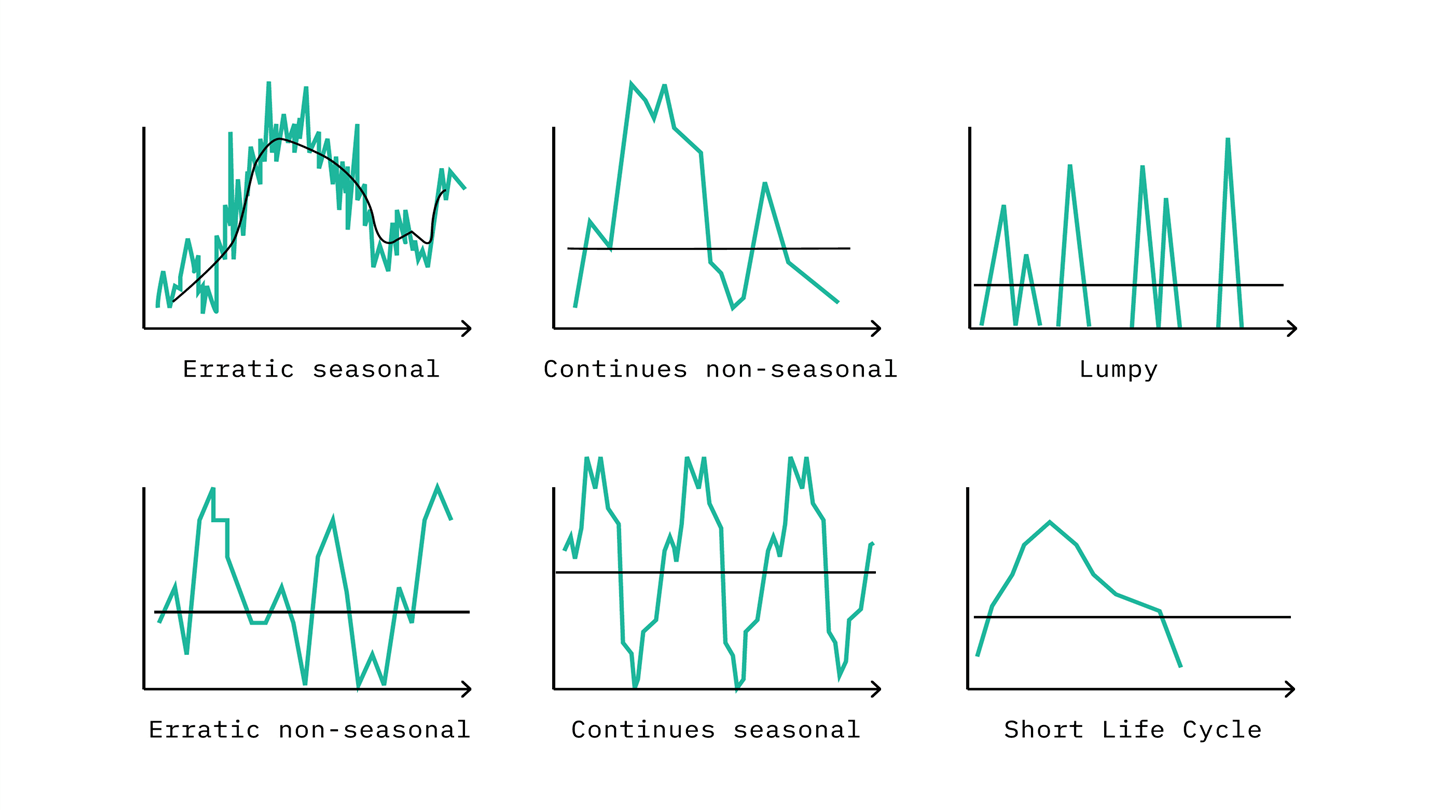

Predictive Analytics Platform for Demand Forecasting Using Artificial Intelligence Technologies
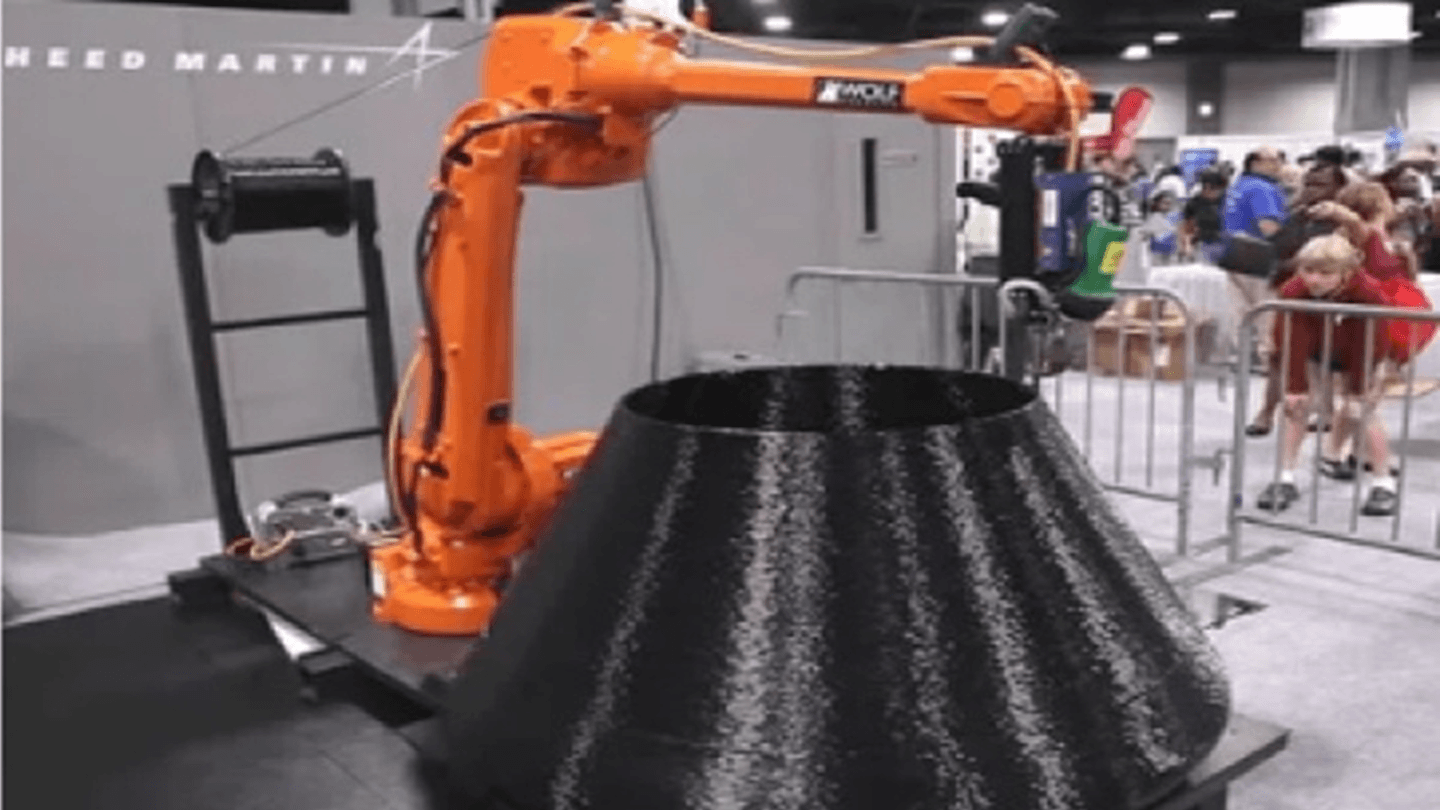
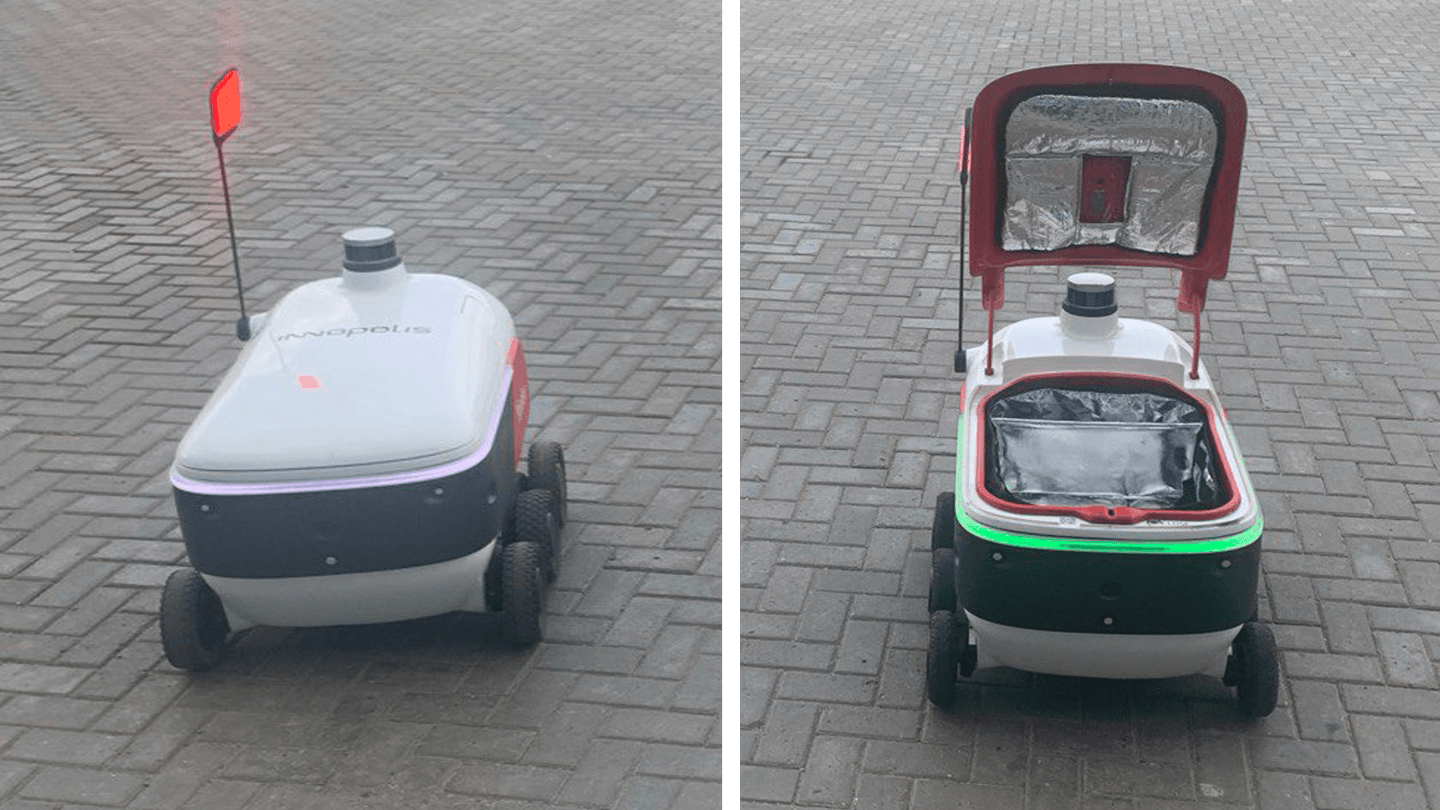
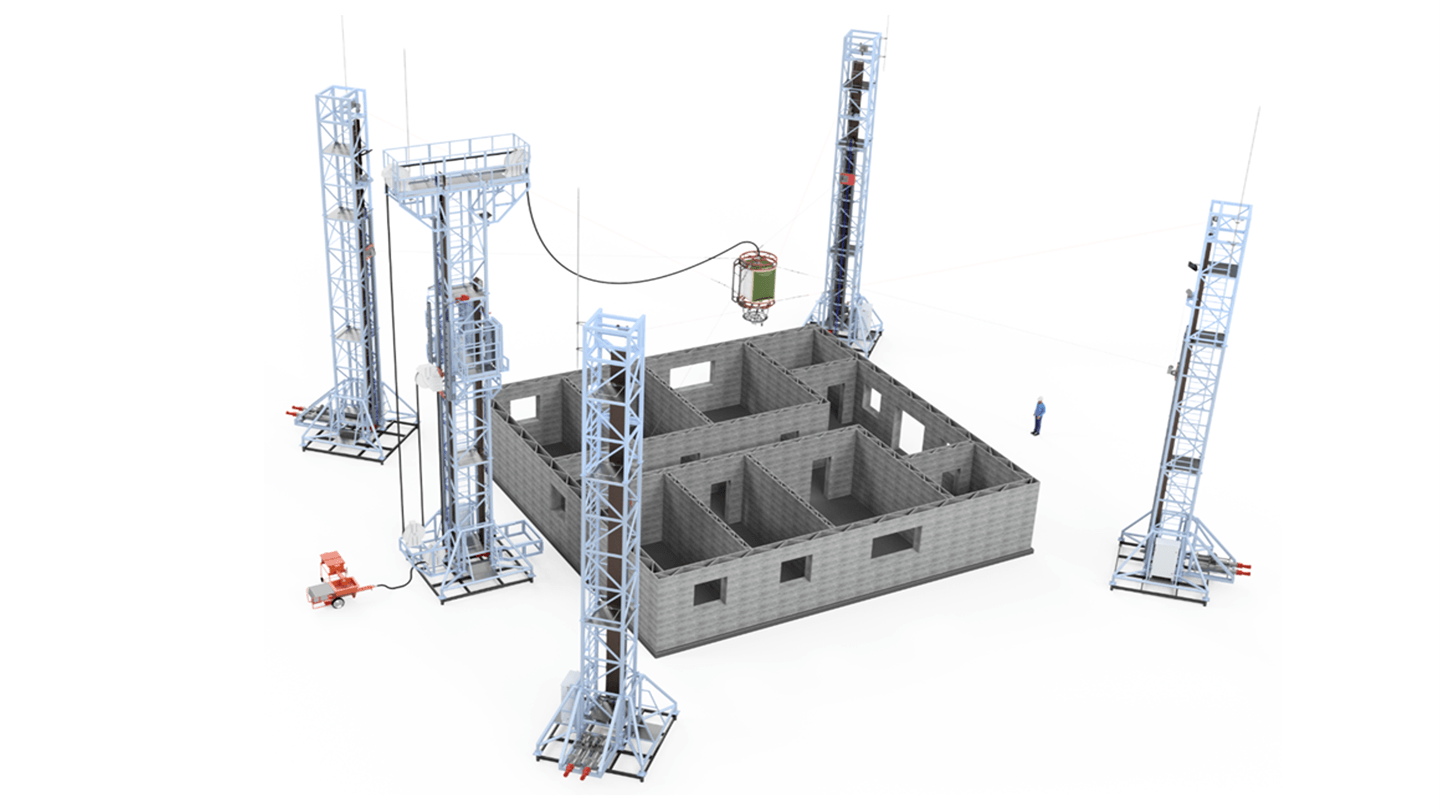
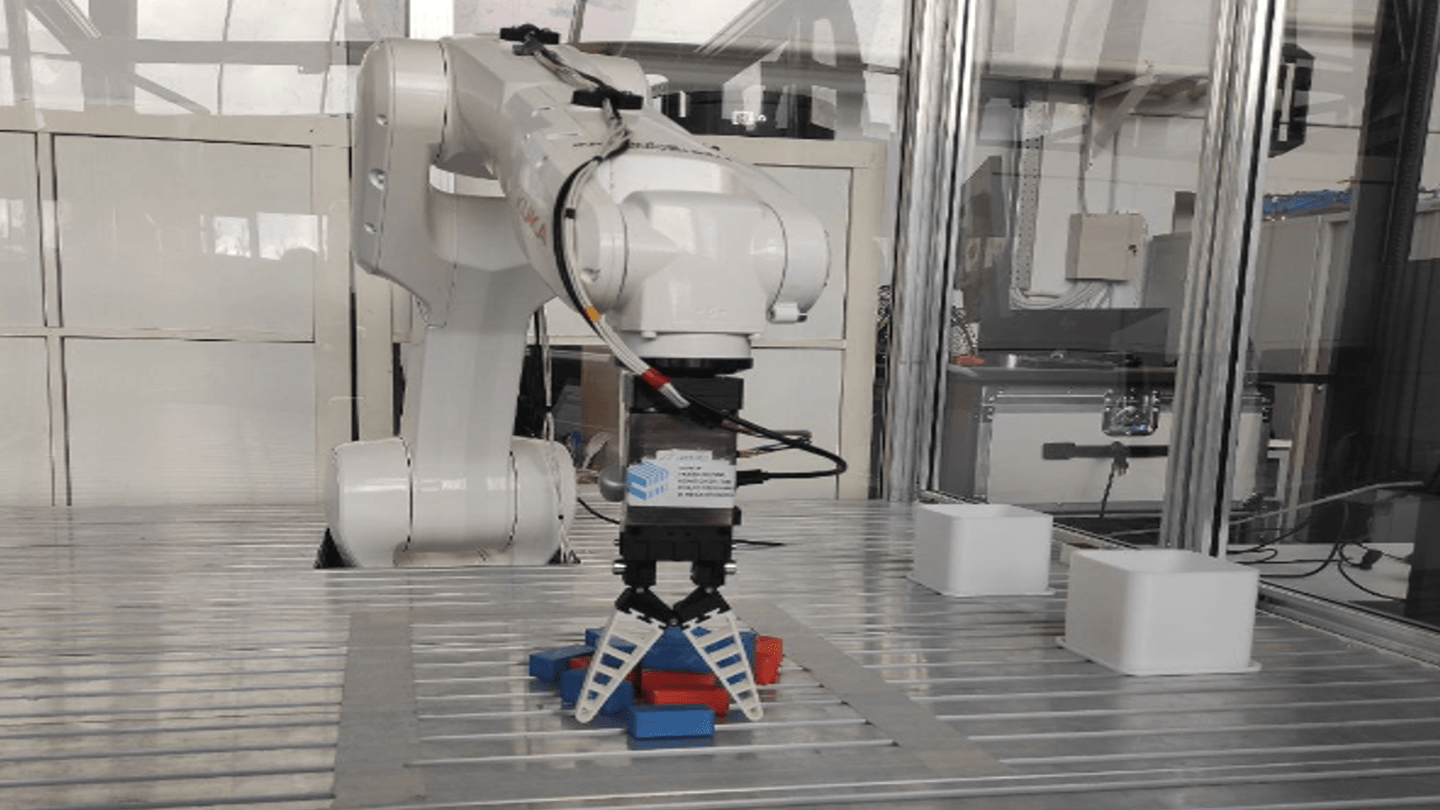
AI Garbage Sorting – Robotic Cell Based on an Industrial Robotic Arm for Sorting Randomly Located Objects Using CV and AI

Rumen Mitov
PhD student
Expertise spans operating systems, systems programming, and low-level software, with hands-on experience across microkernel architectures and persistent systems – including leading much of the implementation work on PhantomOS, presented at FOSDEM 2026. Current work is part of the Code project, which sits at the intersection of systems, programming languages, and AI-based tools for software development.