The challenge
According to turbine and pipeline regulations, defectoscopy is mandatory and has traditionally been carried out manually.
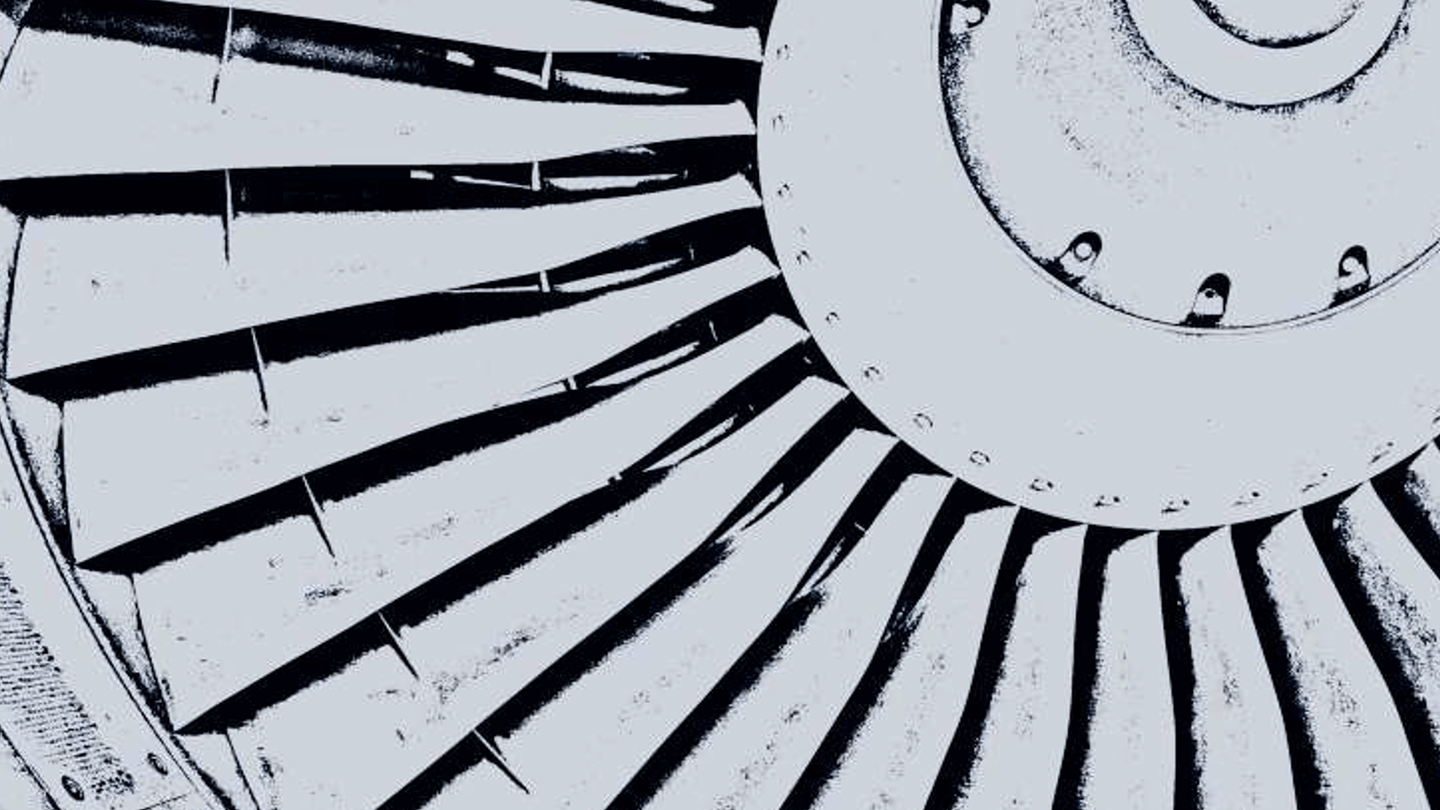
- Inspection of aircraft engine fan blades is critical yet highly time-consuming, often requiring long downtime
- Manual methods depend on scarce certified experts and specialized equipment
- Human error, variability, and the absence of standardized digital records reduce consistency and efficiency in large-scale maintenance
The Solution
- The developed service applies advanced computer vision and deep learning (specifically Mask R-CNN convolutional neural networks) to automatically detect surface defects on fan blades.
- The system processes images from standard inspection devices and generates precise diagnostic results within seconds.
- Each inspection is digitally logged, creating a structured database of results that supports both real-time decision-making and long-term maintenance strategies.
Impact
- Inspection time reduced from 1–2 days to ~30 seconds per blade, enabling near-instant diagnostics
- Lower aircraft downtime and reduced dependency on scarce specialist expertise
- Improved traceability with digital inspection histories and enhanced system safety
Industrial Directions
- Aviation and aerospace maintenance ecosystems
- rapid and reliable defect monitoring
- Integrates seamlessly into existing inspection routines
- enabling automated, high-throughput quality control for critical components
- Key enabler
- next-generation predictive maintenance and digital MRO (Maintenance, Repair, Overhaul) strategies
- Additive Manufacturing, Aerospace, Aviation, Energy, Heavy Industry, Industrial Inspection, Maintenance, Manufacturing & Engineering, Oil & Gas, Transportation