The Challenge
- Many industrial simulators (physics, engineering, manufacturing) are non-differentiable, stochastic,
and computationally expensive. - Traditional optimizers (Bayesian, evolutionary, numerical differentiation) struggle in high dimensions or require prohibitive numbers of simulator calls.
- Lack of gradients prevents efficient use of powerful gradient-based optimization methods.
The Solution
Introduce Local Generative Surrogate Optimization (L-GSO):
- Train deep generative models (GAN / FFJORD) locally to approximate the simulator.
- Use the surrogate’s differentiable structure to compute gradients of the objective.
- Iterate: local surrogate → gradient update → new local surrogate.
Impact
10× Faster Optimization with Proven Real-World Results
- Achieves up to 10× fewer simulator calls compared to score-function or Bayesian optimization.
- Scales to high-dimensional problems where parameters lie on low-dimensional submanifolds.
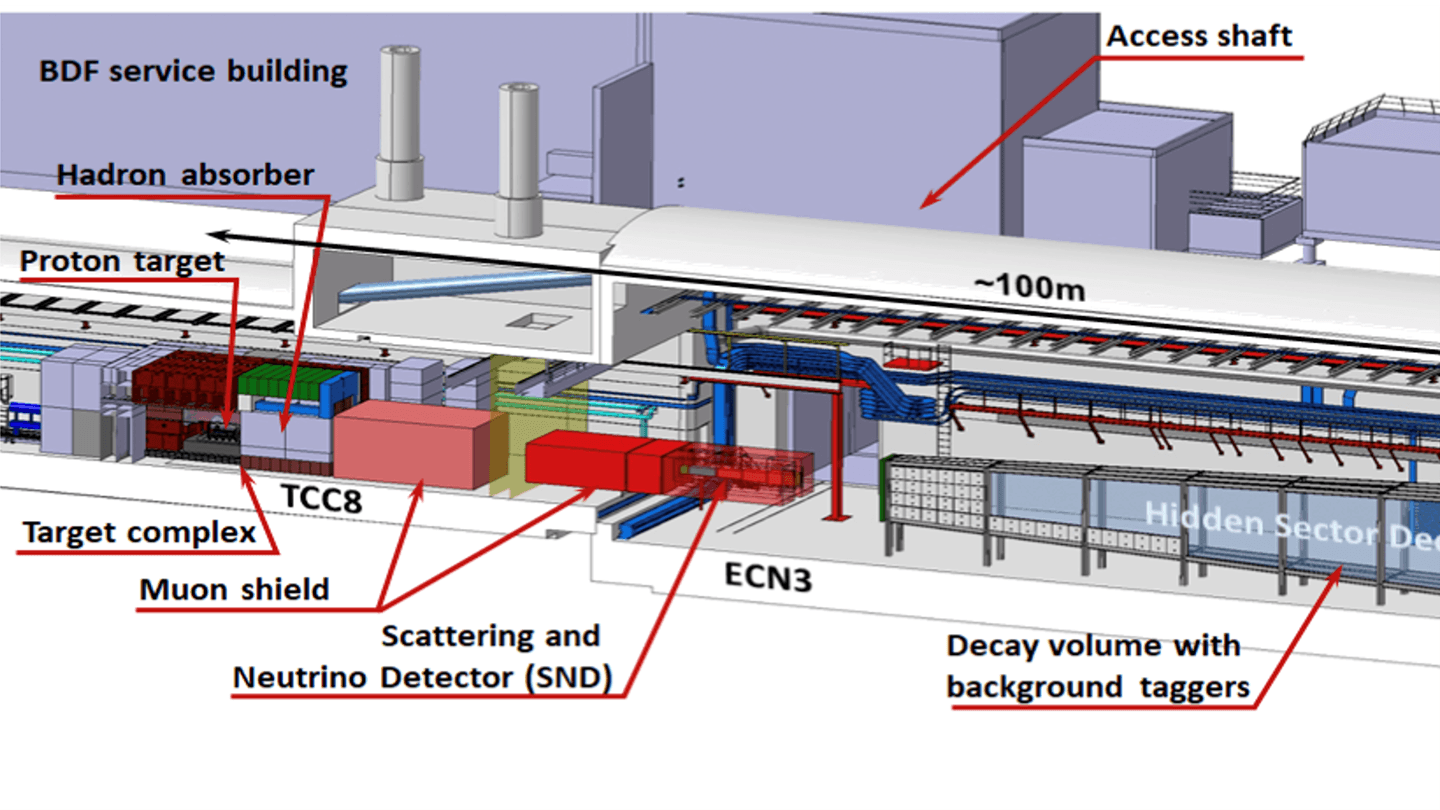
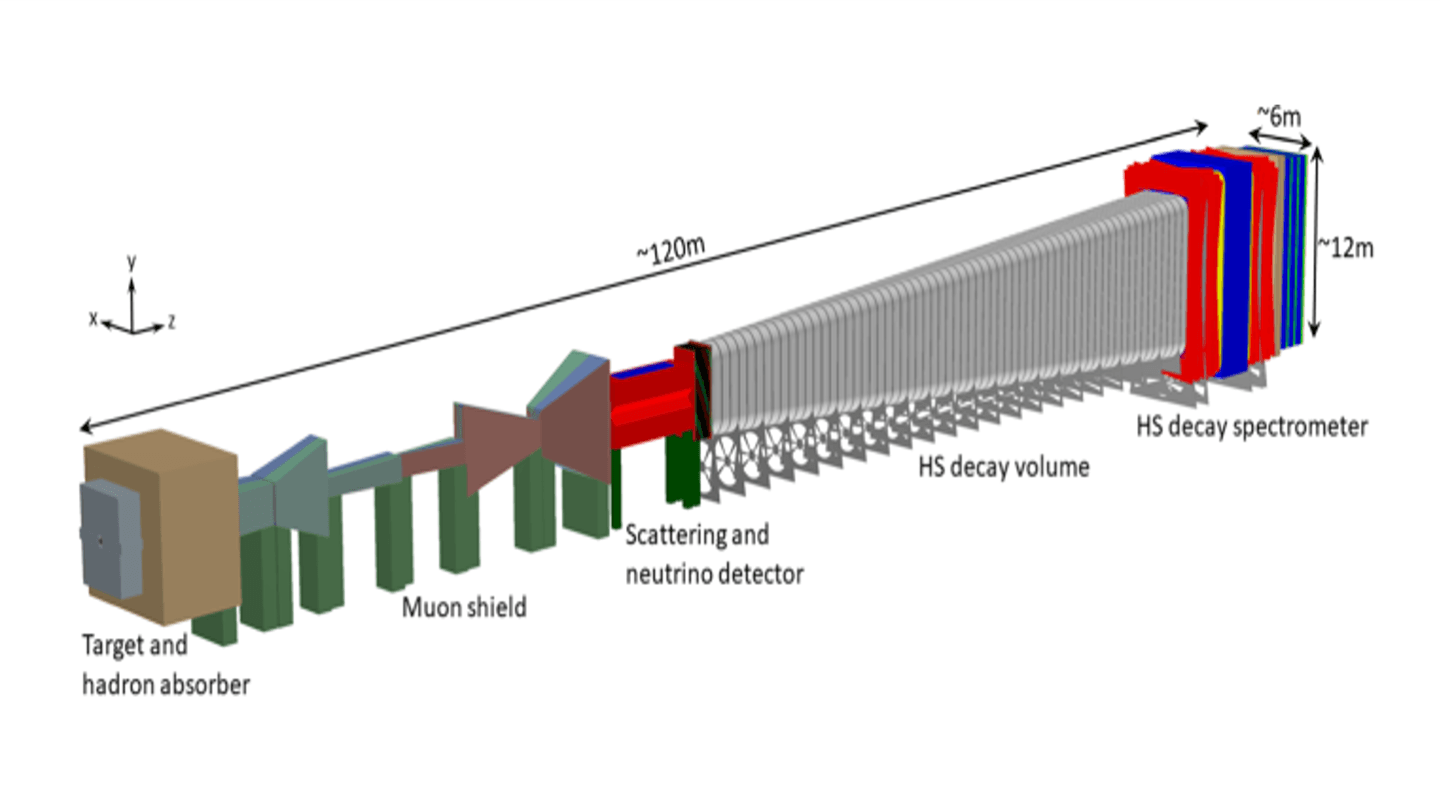
- Demonstrated faster convergence and better optima on both synthetic and real physics experiment (GEANT4 magnet optimization).
Industrial Directions
- Design optimization for complex engineering systems (e.g. aerospace, automotive, energy).
- Accelerated tuning of high-fidelity simulators in manufacturing and materials processing.
- Process control where real-time gradients are unavailable.
- Reduced R&D costs through fewer simulation runs and faster convergence cycles.
- Additive Manufacturing, Aerospace, Automotive, Energy, Engineering, High-Tech Industries, Industrial Operations, Manufacturing & Engineering, Materials Science & Engineering, Process Industries, Research & Development